


-

Add: HeBei ShengShi HongBang Cellulose Technology CO.,LTD.
-

Email
13180486930@163.com -

CONTACT US
+86 13180486930
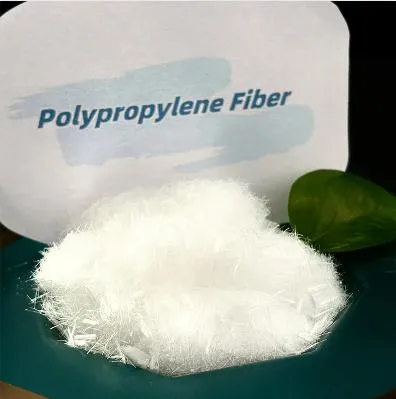
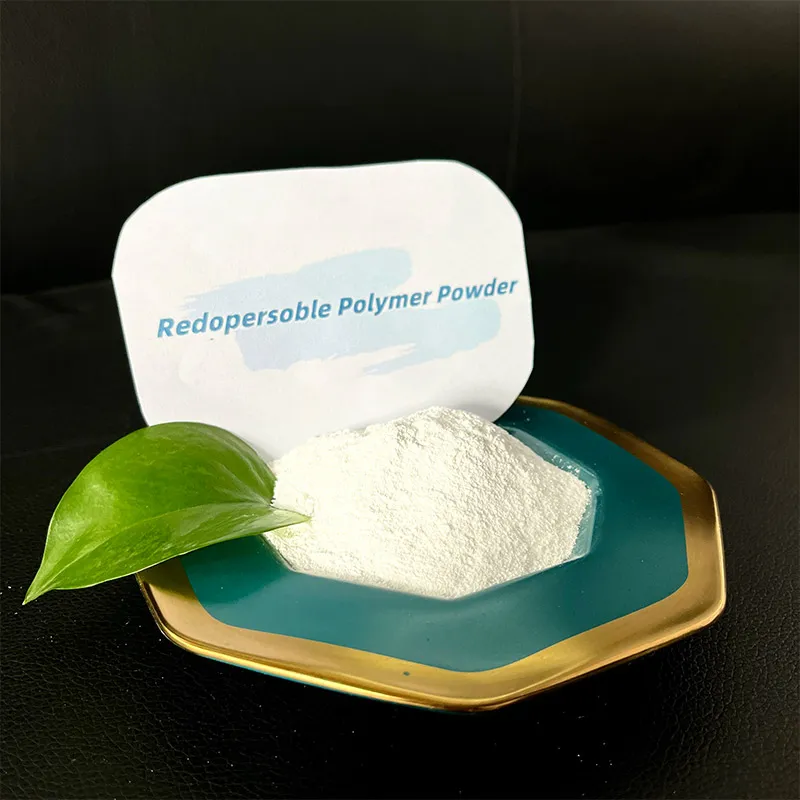
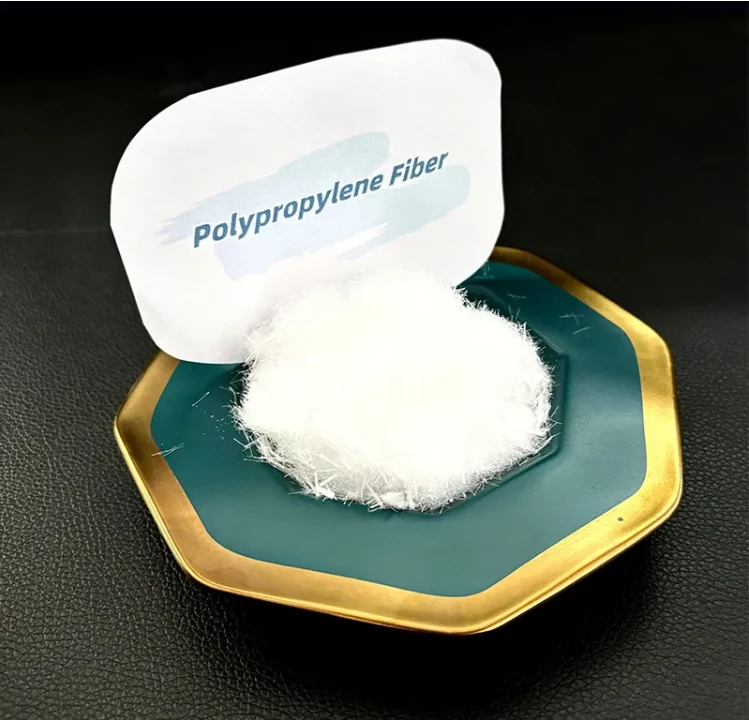
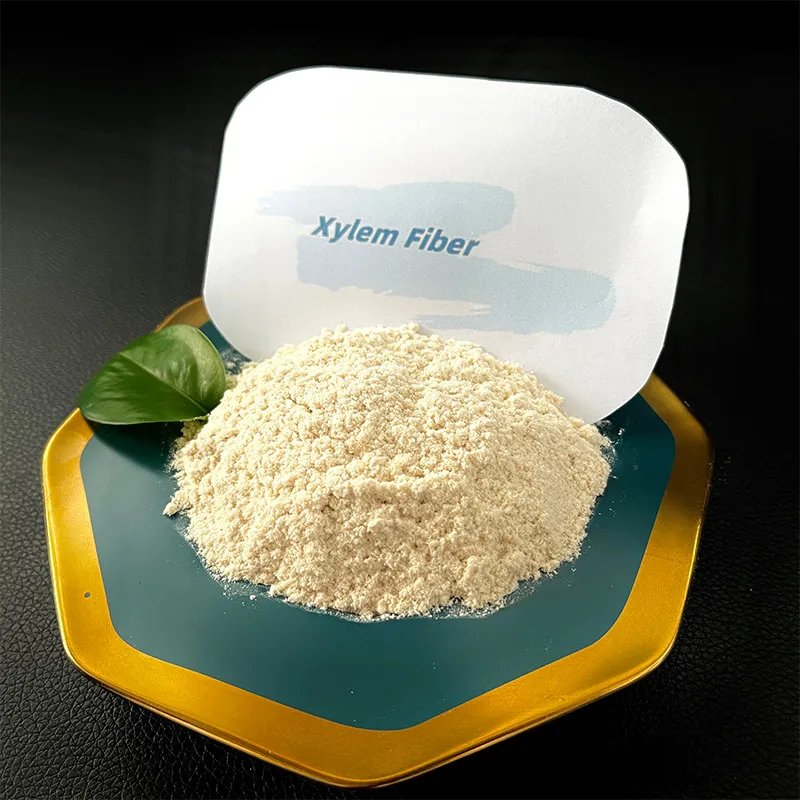
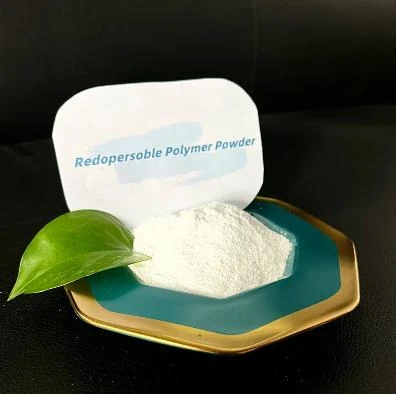


If you work with mortars or tile adhesives long enough, you eventually fall in love with the quiet workhorses. One of them is redispersible emulsion powder —the additive that turns a “just okay” mix into something installers actually compliment. To be honest, I didn’t appreciate RDPs until I saw field pull-off tests on a humid site in Shenzhen; the numbers were boringly high, which is precisely the point. The product in focus here is Redispersible powder VAE from HeBei ShengShi HongBang Cellulose Technology CO., LTD (Room 1904, Building B, Wanda Office Building, JiaoYu Road, Xinji City, Hebei Province). The company plays in that sweet spot of reliable baseline specs with room for customization—useful when you’re juggling different regional standards and substrates. Industry trend check - Demand shifting to low-VOC, low-odor systems (post-pandemic indoor air quality push). - More EIFS/ETICS growth across hot climates; hydrophobic grades are having a moment. - Contractors asking for easier trowelability and extended open time—less rework, fewer callbacks. What the redispersible emulsion powder actually does In cementitious and gypsum systems, VAE RDP improves adhesion, flexibility, water retention, and crack resistance. In fact, a tiny 2–5% dosage can flip an adhesive from “passes the lab” to “survives a monsoon.” Typical specifications (Redispersible powder VAE) Polymer base VAE (vinyl acetate–ethylene) Glass transition Tg ≈ +5 to +15°C (grade dependent) MFFT ≈ 0–5°C Ash content ≈ 10–14% Bulk density 0.45–0.55 g/cm³ D50 particle size ≈ 80–120 μm pH (in dispersion) 5–8 Residue on 300 μm ≤ 0.5% Recommended dosage 2–5% tile adhesive; 3–7% EIFS basecoat (real-world use may vary) Process flow (how it’s made) - Materials: VAE latex, protective colloid (PVOH), anti-caking agent, processing aids. - Method: Emulsion polymerization → blending → spray drying → sieving → packaging (25 kg bags). - QC and testing: Redispersibility (visual), sieve residue, bulk density, adhesion by EN 1348, pull-off ASTM C1583, compressive by ASTM C109/GB/T 17671. Applications and advantages - Tile adhesives (C1/C2, S1 targeting): stronger wet/dry adhesion, longer open time, nicer slip control. - EIFS/ETICS basecoats: crack-bridging, impact resistance; better cohesion under thermal cycles. - Skim coats/levelers: smooth trowel feel—many customers say “less chatter.” - Waterproof mortars/grouts: improved flexibility and water resistance. Service life: designed for 20–30 years in compliant systems, assuming proper detailing and maintenance. Field data (quick case) Coastal tile adhesive, 4% redispersible emulsion powder plus cellulose ether, CEM I 42.5R, CEN sand. EN 1348 tensile adhesion: 1.2 MPa dry; 1.0 MPa after water immersion; 0.8 MPa after heat aging—roughly double the baseline 0.4–0.6 MPa we saw without RDP. Not glamorous, but installers noticed fewer pop-offs after storms. Vendor comparison (indicative) Vendor Tg (°C) Ash % Customization Lead time Certs Notes HeBei ShengShi HongBang ≈ +5 to +15 10–14 Tg, anti-caking, packaging ≈ 10–15 days ISO 9001, REACH-like Balanced specs; sharp pricing EU Brand A 0 to +10 12–16 Wide grade library ≈ 3–5 weeks ISO 9001/14001 Premium pricing, strong tech docs Local Vendor B +10 to +20 15–20 Limited ≈ 7–12 days Basic QC Cost-first; check consistency Customization and compliance - Tailored Tg for climate, hydrophobic modifiers, anti-caking level for humid storage. - Conforms to project specs referencing EN 12004-2 (tile adhesives) and EN 1348. Factory QA under ISO 9001; material safety aligns with common REACH expectations. Always verify your local code, obviously. User notes Many applicators say the mix “butters” better, with fewer dry pockets. I guess the only consistent complaint is that once they switch to a good redispersible emulsion powder , they won’t go back—budget be damned. Citations EN 12004-2: Adhesives for tiles—Requirements, evaluation of conformity, classification. EN 1348: Adhesives for tiles—Determination of tensile adhesion strength. ASTM C1583/C1583M: Tensile strength of concrete surfaces and bond strength by pull-off. ASTM C109/GB/T 17671: Compressive strength of hydraulic cement mortars. JC/T 2190-2013: Redispersible polymer powder for dry-mixed mortar (PRC industry standard).
- 40000tons

Production
- 20+years

Experience
- 5000+㎡

Acreage

-

The construction industry is constantly evolving, with innovations aimed at enhancing the durability and performance of building materials. One such breakthrough is the use of hydroxy methyl propyl cellulose (HPMC) , hydroxyethyl methyl cellulose (HEMC) , hydroxymethyl cellulose , and hydroxymethyl ethyl cellulose in gypsum board production. These cellulose ethers play a crucial role in improving the strength, workability, and overall quality of gypsum boards. This article explores how these additives are transforming the construction landscape and why they are indispensable in modern building practices. The Role of Hydroxy Methyl Propyl Cellulose in Gypsum Board Strength Hydroxy methyl propyl cellulose (HPMC) is a key additive in gypsum board manufacturing, known for its ability to enhance the material’s mechanical properties. When added to the gypsum mixture, HPMC acts as a thickener and water retention agent, ensuring a consistent and workable slurry. This uniformity is critical for achieving a strong and durable board. Additionally, HPMC improves the adhesion between gypsum particles, resulting in a denser and more robust structure. Its ability to reduce cracking and increase impact resistance makes it an essential component in high-performance gypsum boards. Hydroxyethyl Methyl Cellulose HEMC: Enhancing Workability and Strength Hydroxyethyl methyl cellulose (HEMC) is another cellulose ether that significantly contributes to the quality of gypsum boards. HEMC improves the workability of the gypsum slurry, making it easier to mix and apply. This enhanced workability ensures a smoother surface and better edge formation during board production. Beyond its functional benefits, HEMC also boosts the board’s strength by improving the hydration process of gypsum. This results in a more compact and resilient structure, capable of withstanding heavy loads and external stresses. Its versatility and effectiveness make HEMC a popular choice in the construction industry. Hydroxymethyl Cellulose: A Natural Solution for Gypsum Board Durability Hydroxymethyl cellulose (HMC) is a naturally derived additive that offers numerous advantages in gypsum board production. As a water-soluble polymer, HMC enhances the viscosity of the gypsum slurry, ensuring better cohesion and reduced segregation. This leads to a more uniform distribution of gypsum particles, which directly translates to improved board strength. HMC also acts as a binder, increasing the board’s resistance to moisture and environmental factors. Its eco-friendly nature and cost-effectiveness make it an attractive option for sustainable construction practices. Hydroxymethyl Ethyl Cellulose: Optimizing Gypsum Board Performance Hydroxymethyl ethyl cellulose (HMEC) is a versatile additive that plays a pivotal role in optimizing gypsum board performance. HMEC improves the thixotropic properties of the gypsum slurry, allowing for easier application and better surface finish. Its water retention capabilities ensure proper hydration of gypsum, leading to a stronger and more durable board. Additionally, HMEC enhances the board’s fire resistance and thermal insulation properties, making it a valuable component in modern construction. Its ability to improve both mechanical and functional aspects of gypsum boards underscores its importance in the industry. The Future of Gypsum Boards with HPMC and Cellulose Ethers The integration of HPMC , HEMC, HMC, and HMEC in gypsum board production marks a significant advancement in construction technology. These cellulose ethers not only improve the strength and durability of gypsum boards but also enhance their workability, fire resistance, and environmental performance. As the demand for high-quality and sustainable building materials continues to grow, the role of these additives will become even more critical. By leveraging the unique properties of HPMC and other cellulose ethers, manufacturers can produce gypsum boards that meet the evolving needs of the construction industry. In conclusion, the use of hydroxy methyl propyl cellulose , hydroxyethyl methyl cellulose , hydroxymethyl cellulose , and hydroxymethyl ethyl cellulose in gypsum board production is revolutionizing the construction sector. These additives are essential for improving the strength, durability, and overall performance of gypsum boards, making them a cornerstone of modern building practices. As innovation in this field continues, the potential for even more advanced and sustainable solutions is limitless.
-
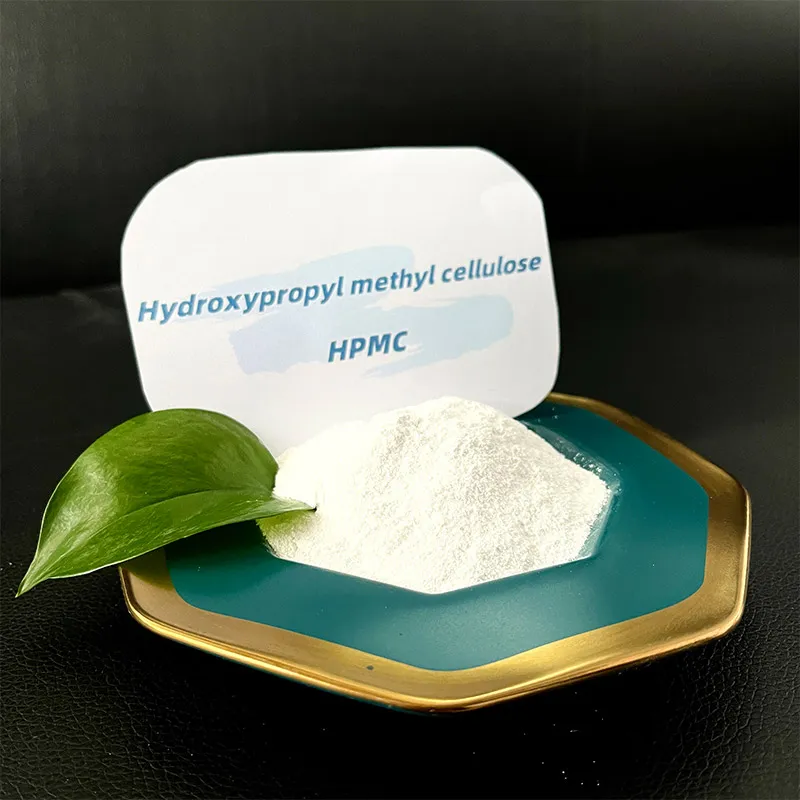
Hydroxypropyl methylcellulose (HPMC) has become an integral component in the construction industry, particularly in the formulation of mortar. With its multifunctional properties, HPMC has revolutionized how mortar performs under various conditions, enhancing its utility and efficiency in building projects. Drawing from extensive industry experience and scientific expertise, this article explores the various facets of HPMC for mortar, focusing on its role, benefits, and application, ensuring a comprehensive understanding that can benefit professionals and enthusiasts seeking authoritative information. Mortar, a pivotal material in construction, requires a balance of viscosity, adhesion, and workability. HPMC, a non-ionic cellulose ether derived from natural cellulose, bridges the gap between traditional mortar components and modern construction needs. Its inclusion in mortar formulations significantly enhances water retention, increases open time, and improves workability — all crucial factors for masonry efficiency and durability. One of the key advantages of HPMC in mortar is its excellent water retention capabilities. This characteristic ensures that water is held within the mortar matrix for extended periods, allowing for better hydration of the cement particles. As a result, the strength of the mortar improves, reducing the risk of cracks and increasing the overall longevity of the constructed element. Professional builders recognize this enhanced strength as a critical facet for ensuring the structural integrity of walls and other structures subjected to various environmental stressors. Moreover, HPMC improves the workability of mortar, which is particularly beneficial during application. A mortar mix that includes HPMC demonstrates superior spreadability, making it easier to apply and adjust. This property is invaluable for masons who require precise placement and alignment during construction activities . It minimizes waste, reduces the effort and time required for application, and therefore, enhances cost-efficiency — a benefit echoed by construction project managers focused on optimizing resources and expenses. Another significant attribute of HPMC is its ability to prolong open time. This refers to the period during which mortar remains workable after being mixed with water. With extended open time, construction workers can undertake more complex tasks without being rushed to complete the mortaring before it sets, ensuring greater accuracy and precision in their work. This feature is particularly advantageous in large-scale projects or specific environments where conditions such as wind and temperature fluctuations can negatively impact setting times. hpmc for mortar The thermal stability of HPMC further adds to its credibility and suitability in various climatic conditions. It adapts well to temperature changes, maintaining performance and consistency. This adaptability ensures that mortar containing HPMC can be reliably used in diverse environments, from hot and arid areas to cold and humid regions, thus extending its application range and making it a versatile choice for global construction needs. In terms of professional expertise, the use of HPMC in mortar requires an understanding of formulation adjustments depending on specific project requirements. Consulting experts who possess expertise in construction chemistry can provide insights into optimizing HPMC content for desired properties. This specialized knowledge ensures that the mortar mix not only meets but exceeds project expectations, leading to superior construction outcomes. Trust in HPMC's efficacy is underpinned by rigorous testing and compliance with international building standards. Its widespread adoption in construction projects across the world attests to its reliability and performance. Trade publications, scientific journals, and case studies consistently highlight HPMC’s advantages, reflecting the trust placed in it by industry professionals. Investing in mortar products enhanced with HPMC signifies a commitment to quality, efficiency, and durability. It positions builders ahead of industry trends, ensuring that their projects are robust, cost-effective, and sustainable. For those seeking to gain a competitive edge in the construction industry, embracing HPMC for mortar is not merely an option but a strategic imperative that aligns with progressive building practices.
advantages
-

200000 Viscosities
Excellent product
We can produce pure products up to 200,000 viscosities
-

40000 tons
High yield
We don’t stop production all year round, and the annual output can reach 40,000 tons
-

24 hours
Quality service
We provide 24-hours online reception service, welcome to consult at any time
———— Inquiry Form
Schedule A services


-
 cellulose_wood_fibers
Oct . 25, 2025
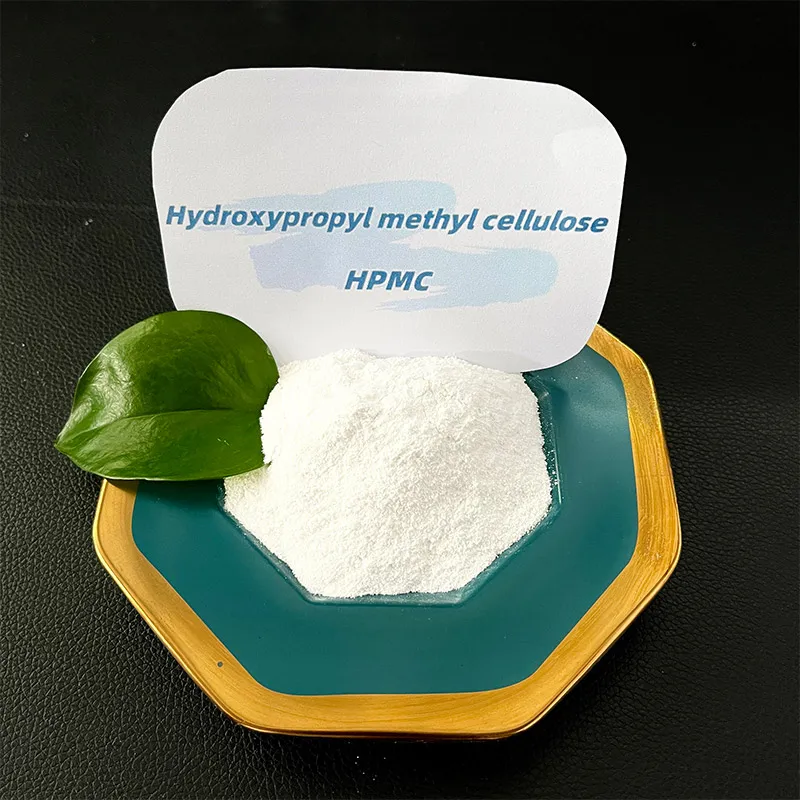
How to Make HPMC Gel A Step-by-Step Guide Hydroxypropyl methylcellulose (HPMC) is a versatile polyme -
 precio_del_eter_de_almidon
Oct . 25, 2025
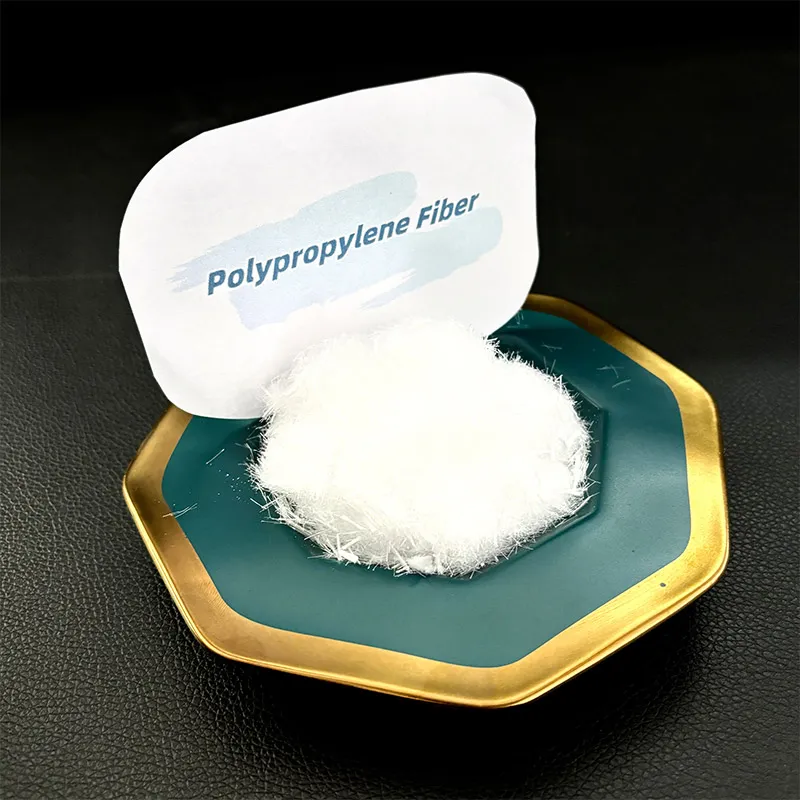
Understanding Confix PP Fiber A Breakthrough in Material Science In the quest for advanced materials -
 hpmc_e50
Oct . 25, 2025
Hydroxypropyl methylcellulose (HPMC) is a versatile polymer widely used in the pharmaceutical, food,


